

Conquering the Mind, Destroying the Soul
The fatal faith in believing you’re always right: ‘Sovereign’

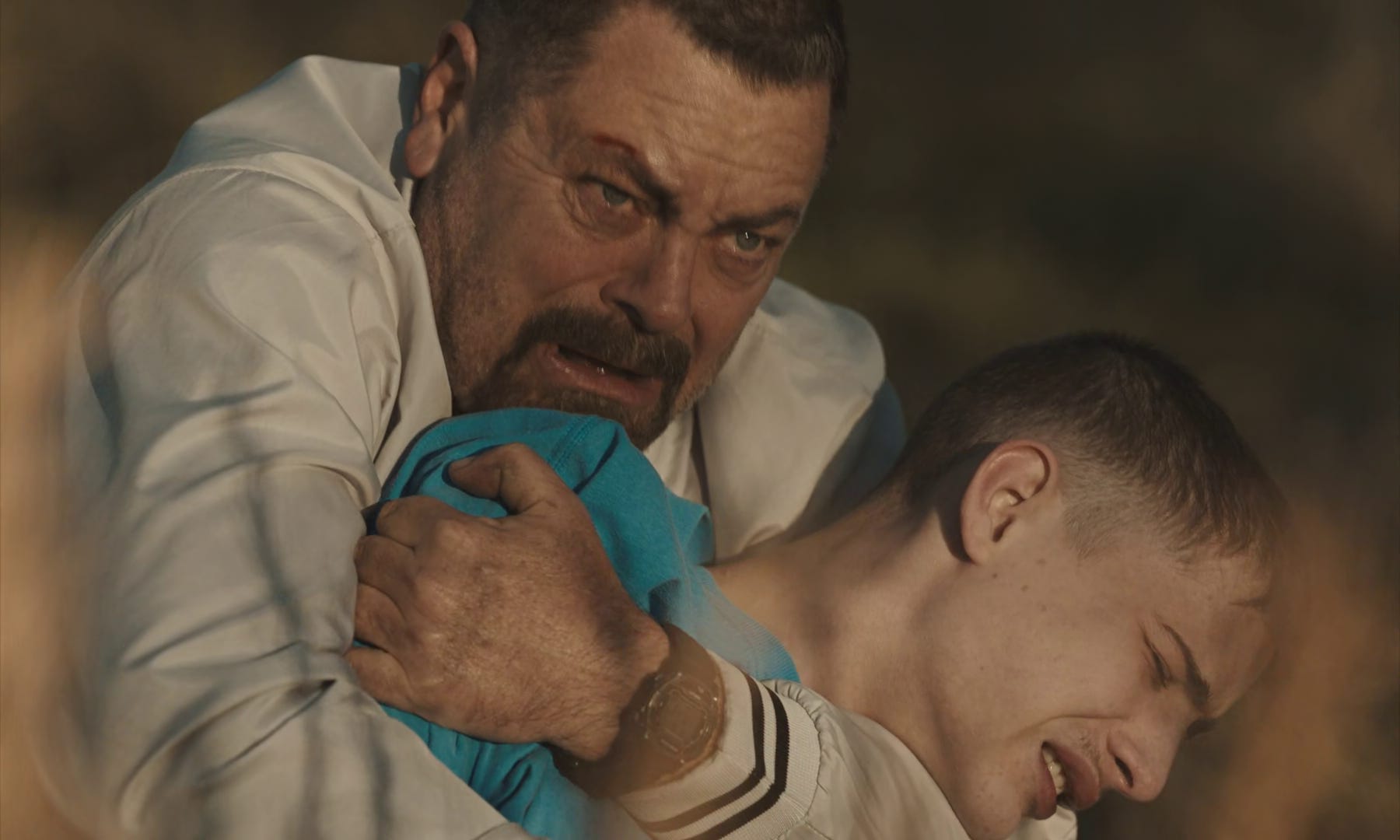
Writer-director Christian Swegal’s feature debut is a sneaky one when it comes to empathy. Some would call that emotional manipulation, but I’m going to call what Sovereign does painstaking dramatization. The emotional beats that come in waves in this true-crime drama (it is NOT a thriller) don’t signpost how or what you should feel for the characters but simply give you reasons (some legit, some hollow) why they behave and think the way they do. Swegal allows us to feel compassion for the people who do bad things repeatedly, as well as for the silent and powerless victims who become accomplices in the process (mostly) against their will.
Whether you go in knowing the real-life event that Sovereign is partly based on, by the end of the film, you’ll understand that extremist violence fuelled by a delusional and destructive belief can have casualties on both sides. Or, at least, that’s what Swegal’s movie attempts to debate with unwavering confidence.
Joe Kane (Jacob Tremblay, fully grown-up since his breakout role in Room) is a shy, obedient, understanding son. He takes care of the house, feeds the dog, and accepts the eviction notice from the sheriff while his dad is out traveling for "work." He even does the worrying because his father, Jerry (Nick Offerman once again solidifying his hard-earned place in the Hollywood hierarchy), refuses to deal with the government in any legal capacity. He's a sovereign citizen through and through, defying the law with a vast, if nonsensical, vocabulary every time they accuse him of some wrongdoing — like not paying his debts or having a proper driver's licence.
Offerman is so convincing in the role that you’re almost inclined to believe that Jerry might be a misunderstood genius who’s found some secret legal loopholes to defend his rights and get out of various lawful obligations. His “job” is literally preaching the pseudo-legal word to other desperate folks, presumably exploited or wronged by the government. But every time he cites the bible to disregard some serious, consequential lawful matter, you become more and more uneasy because you’re aware (hopefully) that what he’s saying is utter horseshit. At first, it’s a little hard to accept that since Offerman rarely plays fools, and even when he does, he’s too captivating and charismatic to be bothered by his character’s idiocy.
Joe, despite being home-schooled and heavily influenced by his dad (his mother passed a long time ago), is well aware that Jerry's worldview is crooked. He sees the divide between the real world and the one imagined by Jerry — but he’s still just a child, wanting to please his daddy every way he can. Thus, he's beyond happy when Jerry returns home and tells him that he can tag along with him for his upcoming “tour.” Joe’s a bright kid, and even if he doesn’t agree with everything his dad says, he plays along, handing out pamphlets and receiving donations (dressed in an angel-white suit like his old man) from the folks that come to these “legal enlightenment seminars.”
But one day out on the road, the police stop the duo for a routine traffic check, and everything goes to shit. Jerry ends up in jail for not having a valid licence and resisting arrest, for all of which Joe literally has a front-row seat to witness. From then on, the slow and blindfolded march to horrific violence becomes irreversible.
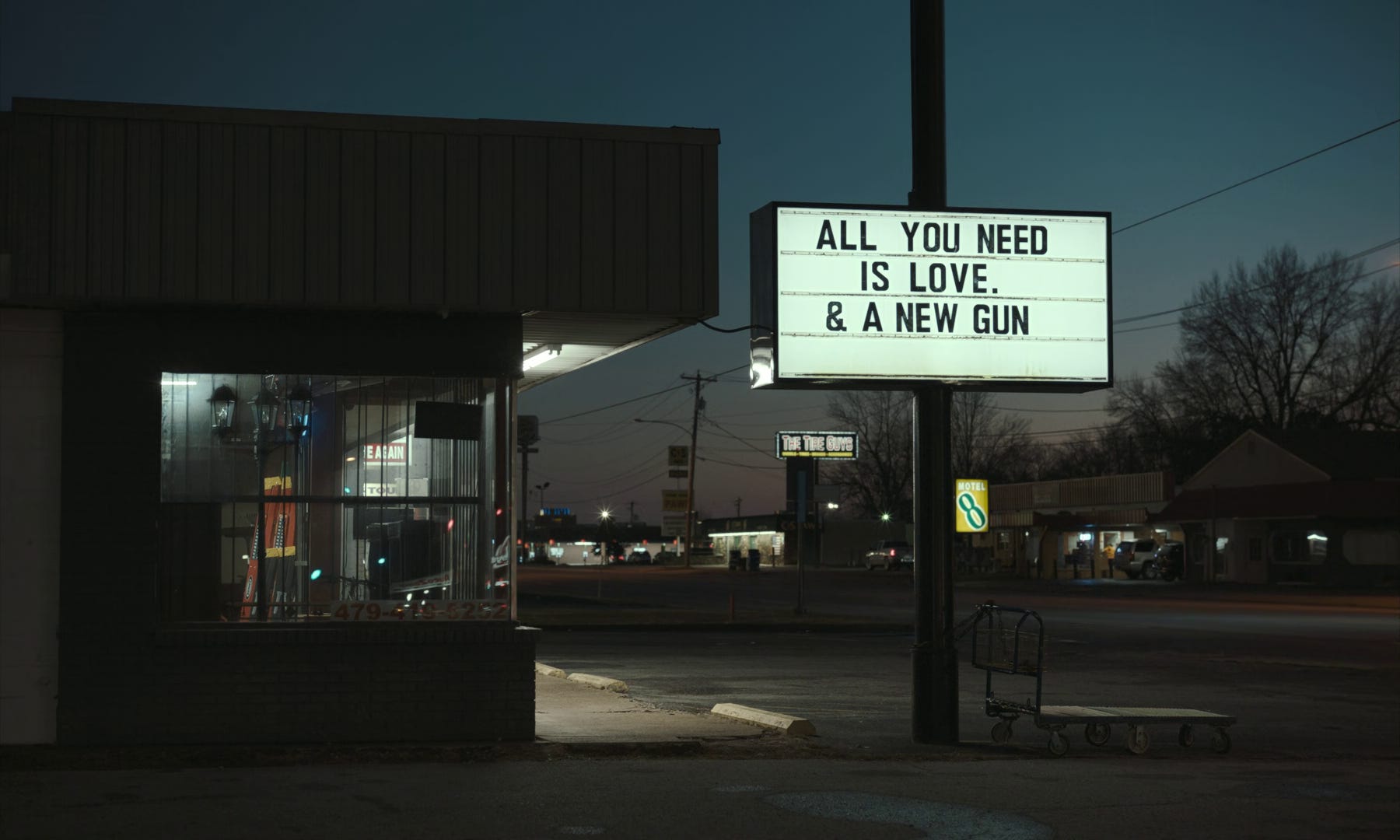
Joe and Jerry’s relationship is occasionally juxtaposed by Dennis Quaid’s Police Chief, John Bouchart, and his adult (also cop) son's family dynamic. Initially, they're there to provide contrast between a healthy and a harmful father-son bond, but as the plot progresses, we realize that their paths will inevitably clash at one point. If you're familiar with the real-life story or saw the trailer, you'll figure out quite early where all of this is headed.
The devastating and tragic finale hits home not merely on account of its unflinching and sudden violence but because Jerry's toxic belief and poisoning worldview reaches its climax; the ultimate goal we sincerely hoped throughout that it wouldn’t. His lunacy finally conquers his son’s mind, too, in the worst possible scenario. See, if you grow up in a bubble that inexorably echoes the same thing over and over again, despite your best efforts to stop it, you’ll eventually start to believe it. It’s like: if you’re told long and hard enough that you’re a loser — by the very people that meant to support and protect you — you’ll soon feel, act, and become one. Deep down, Joe knows that what’s happening is not right, but Jerry’s relentless and frequent preaching about his twisted principles eventually forces him to give in rather than keep resisting. He knowingly accepts and does the bad thing just to make his father stop. It's heartbreaking and maddening to watch it happen, but that's exactly the point.
Sovereign’s goal is to painstakingly portray the mind-washing and show how it culminates and leads to a sad yet totally preventable tragedy. Of which the endpoint is the complete destruction of common sense, healthy values, and hope in favour of a messy, rage-ridden, and clouded mind.
I was meant to publish this piece in early July when Sovereign hit digital, but barely anyone saw it in the past month and a half, despite the praising reviews it received from critics. It's exactly the kind of underseen and overlooked movie that I frequently try to stand up for here at The Screen. So if you're among those who entirely missed it back then, do yourself a favour and put it on one of these nights. If you like intelligent dramas that tackle reality in a thought-provoking manner, you won't regret it.
You can buy or rent Sovereign on Amazon Prime.
If you’ve been wondering why The Screen went quiet in the past four months, here’s a brief explanation: I was lucky enough to get offered a position at /Film, and I've been pretty busy trying to do my best work for them. It's a good thing, not to mention it's the first time I'm able to rely on a steady salary purely from writing while having a life, too. The downside is that I have less time (and honestly, motivation) to do more writing in my free time. I will say, however, that I’m going to try to revive this little newsletter. But if you don’t hear from me as often as you used to here, now you know the reason.
As always, thanks for reading.


Review is too long. Also Jerry's belief was NOT bullshit. He was right.